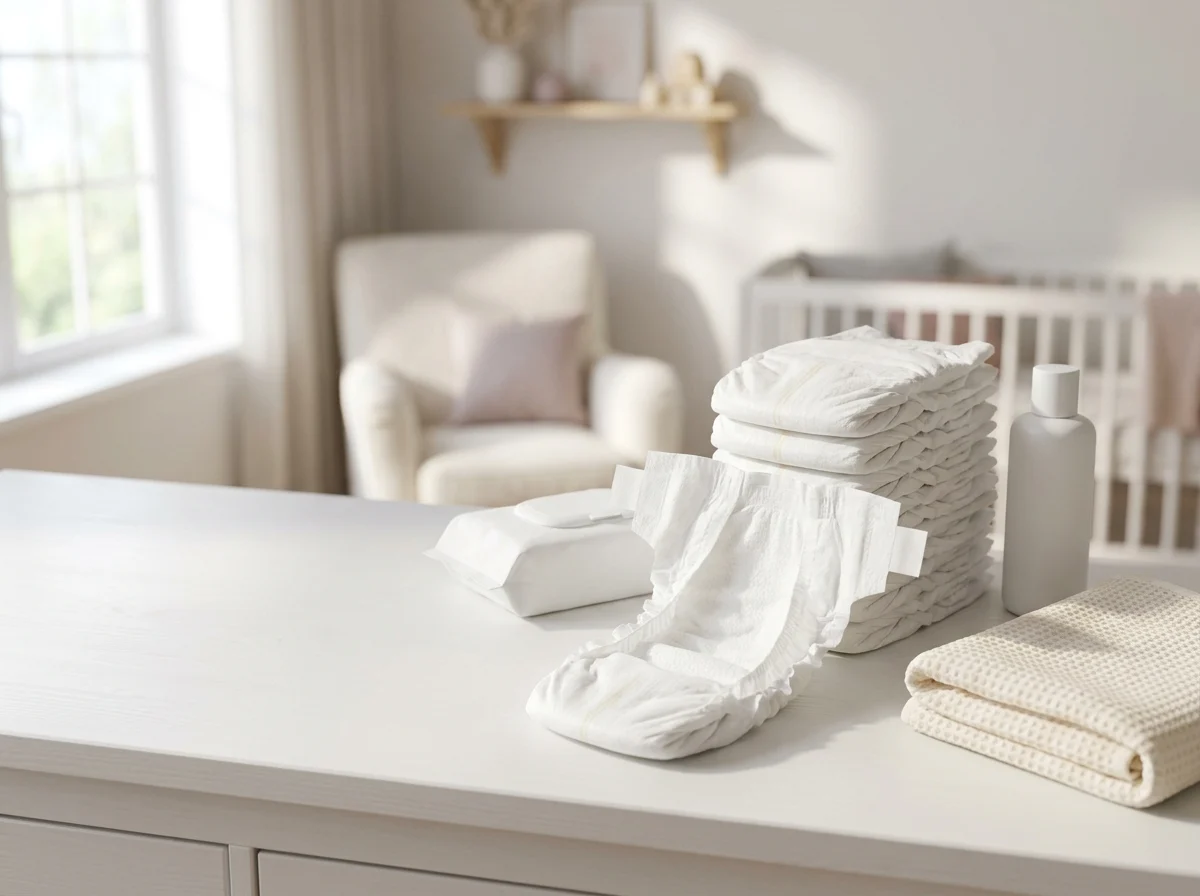
Choosing the right diaper is an important part of caring for a baby. For new parents, the wide variety of diaper brands, sizes, materials, absorbency levels, and designs available in the market can sometimes make the decision confusing.
A good diaper should provide comfort, absorb moisture effectively, help keep the baby’s skin dry, and fit properly without being too tight. However, choosing a diaper is not only about absorbency. Parents should also consider the baby’s age, weight, skin sensitivity, lifestyle, sleeping habits, and the frequency of diaper changes.
Whether you are a first-time parent or already familiar with baby care, understanding how diapers work and how to choose and use them properly can make everyday baby care much easier.
In this complete guide, we will discuss different types of baby diapers, diaper sizes, absorbency, changing frequency, diaper rash prevention, overnight diapering, disposable versus reusable diapers, and important factors to consider before buying.
What Is a Baby Diaper?
A baby diaper is an absorbent garment designed to collect urine and stool so that babies can stay relatively clean and comfortable between changes.
Modern disposable diapers generally contain several layers. These layers work together to absorb liquid, distribute moisture, and help prevent leakage.
A typical disposable diaper may include:
- A soft inner layer that comes into contact with the baby’s skin
- An absorbent core designed to hold liquid
- A layer that helps distribute moisture
- An outer waterproof or water-resistant layer
- Elastic elements around the legs and waist
- Fastening tabs or adhesive areas
The exact materials and construction vary from one manufacturer and product to another.
Why Choosing the Right Diaper Matters
Babies spend a significant amount of time wearing diapers, so comfort and fit are important.
An unsuitable diaper may cause:
- Leakage
- Discomfort
- Red marks around the waist or legs
- Wet skin
- Difficulty moving
- Increased irritation
A properly fitted diaper should be secure without being excessively tight.
The goal is to find a balance between comfort, absorbency, fit, and skin protection.
Different Types of Baby Diapers
There are several types of diapers available today. The best option depends on the baby’s age and the parents’ preferences.
1. Newborn Diapers
Newborn diapers are designed for very small babies.
They are generally smaller and may include features designed around the umbilical cord area.
Parents should always check the manufacturer’s size and weight recommendations because newborn sizes can vary between brands.
2. Tape-Style Diapers
Tape-style diapers are commonly used for newborns and younger babies.
They feature fastening tabs that allow parents to adjust the fit around the waist.
One major advantage is that parents can easily adjust the diaper as the baby’s body changes.
3. Pant-Style Diapers
Pant-style diapers are designed to be worn similarly to underwear.
They are particularly convenient for babies who are becoming more active, crawling, standing, or walking.
Pant diapers can make diaper changes easier for some parents, especially when dealing with an active baby.
4. Overnight Diapers
Some manufacturers offer diapers designed specifically for nighttime use.
These products may emphasize higher absorbency and longer wearing periods.
However, even with an overnight diaper, parents should monitor the baby’s comfort and change the diaper when necessary rather than relying only on the product’s advertised duration.
5. Reusable or Cloth Diapers
Reusable cloth diapers can be washed and used multiple times.
They are available in different designs and materials, including fitted, pocket, and adjustable styles.
Cloth diapers require proper washing, drying, and hygiene practices.
Understanding Diaper Sizes
One of the most important things when buying diapers is selecting the correct size.
Diaper sizes are generally based on the baby’s weight, although sizing systems differ between brands.
Common sizes may include:
- Newborn
- Small
- Medium
- Large
- Extra Large
- Larger toddler sizes
However, the actual weight range can differ significantly between manufacturers.
Should You Choose a Bigger Size?
Parents sometimes assume that buying a larger diaper automatically means better absorbency.
That is not always the case.
A diaper that is too large may leave gaps around the legs or waist, increasing the chance of leakage.
Instead of choosing a size based only on the baby’s age, check the manufacturer’s recommended weight range and observe how the diaper fits.
Signs That Your Baby Needs a Different Diaper Size
Your baby may be ready for a different size if you notice:
- Frequent leakage
- Red marks around the waist
- Red marks around the thighs
- Difficulty fastening the diaper
- The diaper appears too small
- The diaper does not adequately cover the baby’s bottom
- The diaper becomes full very quickly
If these problems occur repeatedly, it may be worth trying the next size.
What Makes a Good Baby Diaper?
A quality diaper should ideally provide several important features.
Absorbency
Absorbency is one of the most important characteristics.
A good diaper should absorb moisture efficiently and help keep the baby’s skin relatively dry.
Comfortable Fit
The diaper should fit securely around the waist and legs without excessive pressure.
Leak Protection
A properly designed diaper should help reduce leakage around the legs, waist, and back.
Soft Materials
Because the diaper is in continuous contact with delicate skin, a soft inner surface can improve comfort.
Breathability
Some diaper designs include materials intended to allow air movement and reduce excessive moisture buildup.
Flexible Design
Babies move constantly. A flexible diaper can allow crawling, rolling, sitting, and walking more comfortably.
How Often Should You Change a Baby’s Diaper?
There is no single exact number of diaper changes that applies to every baby.
Newborns may require frequent diaper changes because they urinate and pass stool regularly.
Parents should check the diaper regularly and change it when it is wet or soiled.
A diaper should generally not be left unnecessarily soiled or heavily wet for a long period.
Frequent changes can help reduce prolonged exposure to moisture and stool, which may contribute to skin irritation.
How to Change a Baby’s Diaper Properly
A clean and organized diaper-changing routine can make the process easier.
Step 1: Prepare Everything
Before starting, keep the following nearby:
- Clean diaper
- Baby wipes or clean water and cotton
- Diaper-changing surface
- Clean clothes if needed
- Diaper disposal bag or appropriate waste container
Never leave a baby unattended on a changing table or elevated surface.
Step 2: Remove the Used Diaper
Carefully open the diaper and clean away any stool.
Use gentle movements, especially when cleaning sensitive skin.
Step 3: Clean the Skin
Clean the baby’s diaper area thoroughly but gently.
For many babies, plain water and a soft cloth can be suitable. Parents may also use baby wipes designed for sensitive skin.
Avoid aggressive rubbing.
Step 4: Dry the Area
Allow the skin to dry naturally when possible or gently pat it dry.
Step 5: Put on the New Diaper
Place the clean diaper underneath the baby and secure it comfortably.
Make sure the leg cuffs are properly positioned to help reduce leakage.
What Is Diaper Rash?
Diaper rash refers to irritation or inflammation that develops in the diaper area.
It can appear as red or irritated skin and may sometimes become uncomfortable for the baby.
Several factors can contribute to diaper rash, including:
- Prolonged exposure to moisture
- Contact with stool or urine
- Friction
- Tight diapers
- Irritating products
- Changes in diet
- Skin sensitivity
- Certain infections
Not every rash has the same cause.
How Can Parents Help Prevent Diaper Rash?
There are several practical steps parents can take.
Change Diapers Regularly
Do not unnecessarily leave wet or soiled diapers on the baby for extended periods.
Keep the Skin Clean
Clean the diaper area gently during every change.
Keep the Area Dry
Moisture can contribute to irritation, so allow the skin to dry before putting on a fresh diaper whenever practical.
Avoid Excessive Friction
Do not scrub the skin aggressively.
Choose the Right Size
A diaper that is too tight can increase friction and irritation.
Consider a Barrier Cream
When appropriate, parents may use a baby-safe barrier cream to help protect the skin.
Follow the product’s instructions and seek professional advice if the rash is persistent or severe.
When Should Parents Seek Medical Advice for a Rash?
Most mild diaper irritation can improve with appropriate care, but parents should seek medical advice if:
- The rash becomes severe
- The skin is broken or bleeding
- There are blisters or pus-filled areas
- The baby has a fever
- The rash spreads beyond the diaper area
- The rash does not improve with routine care
- The baby appears unusually uncomfortable
A healthcare professional can help determine whether the rash is caused by irritation, allergy, infection, or another condition.
Disposable vs Cloth Diapers
Both disposable and reusable diapers have advantages and disadvantages.
Disposable Diapers
Advantages:
- Convenient
- Easy to use
- Easy to dispose of
- Available in many sizes
- Convenient for travel
- Generally require less washing
Disadvantages:
- Create more household waste
- Can become expensive over time
- Parents need to purchase them regularly
Cloth Diapers
Advantages:
- Reusable
- Can reduce the amount of disposable diaper waste
- Available in many designs
- May be economical over extended use depending on washing costs
Disadvantages:
- Require regular washing
- Need adequate drying
- Require careful hygiene
- Can be less convenient when traveling
There is no single correct choice for every family.
What Are Overnight Diapers?
Overnight diapers are designed to provide additional absorbency for longer periods.
They may be useful for babies who sleep for longer stretches.
However, parents should not assume that any diaper can safely remain unchanged throughout the entire night regardless of the baby’s condition.
If the diaper is heavily wet, soiled, leaking, or causing discomfort, it should be changed.
How Many Diapers Does a Baby Need?
The number of diapers a baby uses varies according to age, feeding, bowel movements, and individual habits.
Newborns generally require more frequent changes than older babies.
For this reason, parents should avoid buying extremely large quantities of a particular size before confirming that the diaper fits their baby comfortably.
Babies grow quickly, and they may move from one diaper size to another sooner than expected.
How to Choose a Diaper for Sensitive Skin
Some babies have more sensitive skin than others.
If your baby experiences frequent irritation, consider:
- Choosing a properly fitting diaper
- Changing diapers regularly
- Avoiding unnecessary fragrances or potentially irritating products
- Keeping the skin clean and dry
- Using appropriate barrier protection when needed
- Monitoring whether irritation appears after using a particular product
If irritation continues, consult a healthcare professional rather than repeatedly changing products without identifying the cause.
What Should You Check Before Buying Baby Diapers?
Before purchasing diapers, consider the following factors.
1. Size
Check the recommended weight range.
2. Fit
Look for a comfortable waist and leg fit.
3. Absorbency
Consider how frequently the baby needs changing and whether the diaper is intended for daytime or nighttime use.
4. Material
Check the product information if your baby has sensitive skin.
5. Leakage Protection
Look for features such as elastic leg cuffs and secure waist construction.
6. Packaging
Make sure the package is sealed and undamaged.
7. Quantity
Consider how many diapers your baby realistically needs before purchasing large packs.
8. Price Per Diaper
Instead of comparing only package prices, calculate the approximate cost per diaper.
This makes it easier to compare different pack sizes.
Tips for Buying Baby Diapers Online
Online shopping can make buying diapers convenient, but parents should pay attention to product details.
Before ordering:
- Confirm the diaper size
- Check the weight range
- Verify the quantity in the package
- Check product specifications
- Read the seller’s information
- Look at the package size carefully
- Check customer reviews when available
- Make sure the product packaging is intact upon delivery
Buying online can also make it easier to compare different diaper sizes and pack quantities.
Common Baby Diaper Mistakes Parents Should Avoid
Using the Wrong Size
A diaper that is too small or too large can increase leakage and discomfort.
Changing Too Infrequently
Leaving a wet or soiled diaper on for too long can increase skin exposure to moisture and irritants.
Tightening the Diaper Too Much
The diaper should be secure but comfortable.
Cleaning Too Aggressively
Baby skin is delicate. Gentle cleaning is generally preferable to vigorous rubbing.
Buying Too Many Diapers of One Size
Babies grow quickly, so avoid overstocking a size until you know how long your baby will use it.
Baby Diaper Checklist for New Parents
Before buying a diaper, ask yourself:
- Is the size appropriate for my baby’s weight?
- Does the diaper fit comfortably?
- Is it sufficiently absorbent for our needs?
- Does it provide adequate leak protection?
- Is the material suitable for my baby’s skin?
- Is the packaging intact?
- Is the price reasonable per diaper?
- Can I easily purchase the same size again?
These simple questions can make diaper shopping much easier.
Frequently Asked Questions About Baby Diapers
How do I know which diaper size my baby needs?
Start with the manufacturer’s recommended weight range. Then observe the actual fit around the baby’s waist and legs.
How often should I change my baby’s diaper?
Check the diaper regularly and change it when it becomes wet or soiled. Newborns may need frequent changes.
Can a baby wear the same diaper all night?
Some diapers are designed for overnight use, but parents should still monitor the baby. A heavily wet, soiled, leaking, or uncomfortable diaper should be changed.
Why does my baby’s diaper leak?
Leakage can occur because of an incorrect size, poor fit, an overly full diaper, incorrect positioning, or individual differences in urine output.
Can a diaper cause diaper rash?
Diaper rash can have several causes. Moisture, stool contact, friction, sensitivity, and other factors can contribute to irritation.
Should I buy a larger diaper to prevent leakage?
Not necessarily. A diaper that is too large can create gaps and may actually increase leakage. Choose according to the manufacturer’s weight guidance and your baby’s actual fit.
Are expensive diapers always better?
Not necessarily. Price does not automatically determine whether a diaper is right for your baby. Fit, absorbency, comfort, and skin compatibility are more important considerations.
Are reusable diapers better than disposable diapers?
Both have advantages and disadvantages. The best choice depends on your family’s budget, lifestyle, washing facilities, convenience, and personal preferences.
Final Thoughts
Choosing the right baby diaper is an important part of everyday baby care.
A good diaper should provide a comfortable fit, effective absorbency, reliable leak protection, and a soft surface suitable for the baby’s delicate skin.
Parents should pay particular attention to the baby’s weight, diaper size, fit, changing frequency, skin condition, and individual needs.
There is no single diaper that is perfect for every baby. A product that works very well for one baby may not work equally well for another.
The best approach is to start with the correct size, monitor your baby’s comfort and skin, and adjust the diaper type or size as your baby grows.
With the right diaper and a consistent changing routine, parents can make everyday baby care more comfortable, hygienic, and convenient.